
News Center
Contact Us
Guangzhou Greater Machinery Equipment Co., Ltd.
+86 18529379000 Peter Xu (WhatsApp/WeChat )
E-mail:xkpacking@gmail.com
Filling machine display
- Location:
- Home
- »
- News Center
- »
- Filling machine display
Rice sauce and noodle sauce filling machines play an important role in the modern food processing industry. With the acceleration of people's pace of life and the increasing demand for convenient and fast seasonings, the application of filling machines provides efficient and hygienic production solutions for sauce production enterprises. This type of equipment is specifically designed for filling viscous sauces and can meet the production needs of products of different specifications.
Rice sauce and mixed noodle sauce have high viscosity, and traditional manual filling methods are not only inefficient, but also difficult to ensure product hygiene standards. The filling machine adopts a PLC control system to ensure consistent amount of sauce in each bottle through a precise metering system. The equipment is usually equipped with a stainless steel workbench, which meets food grade hygiene requirements and avoids product contamination. During the filling process, the equipment can automatically complete processes such as bottle positioning, quantitative filling, and sealing, greatly improving production efficiency.
Modern filling machines commonly use PLC control systems, with a simple and intuitive operating interface. The staff only need to set the filling parameters, and the equipment can run automatically. Some models are also equipped with touch screens, which can achieve functions such as parameter storage and production statistics. Filling accuracy is an important indicator for measuring equipment performance, and the error of the filling machine can be controlled within ± 1%. For sauces of different viscosities, the equipment is usually equipped with adjustable filling pumps to ensure a smooth and leak free filling process.
Cleaning and maintenance of filling machines are equally important. Reasonably designed equipment usually adopts a quick disassembly structure, which is convenient for daily cleaning and disinfection. Some models are equipped with CIP cleaning systems, which can achieve automatic pipeline cleaning and significantly reduce the intensity of manual cleaning. During the production process, the equipment is also equipped with practical functions such as bottle shortage detection and drip prevention to avoid waste of raw materials.
Prototype display of fully automatic sauce filling machine:
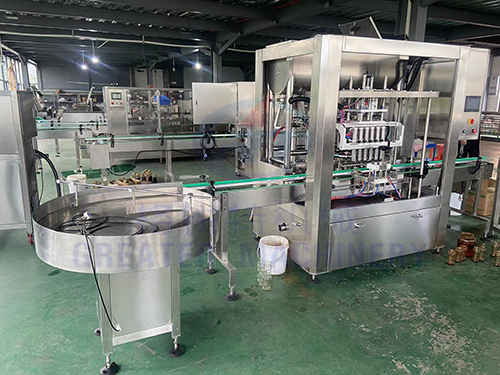
With the development of intelligent manufacturing, intelligent filling machines have begun to enter the market. This type of equipment can be linked with other links in the production line to achieve fully automated production from empty bottle transportation to finished product packaging. Some companies have also introduced visual inspection systems to conduct quality checks on the filled products. In terms of energy conservation and environmental protection, the new filling machine adopts energy-saving motors and optimized design to reduce energy consumption.
When choosing a filling machine, companies need to consider factors such as production demand, factory conditions, and budget. Small businesses can choose semi-automatic models with lower investment costs; Large production enterprises are more suitable for fully automated production lines. Equipment suppliers usually provide customized services and can adjust the filling plan according to product characteristics. After sales service is also an important consideration when making a purchase, including equipment installation and commissioning, operation training, maintenance, etc.
Sample display of fully automatic sauce filling machine:
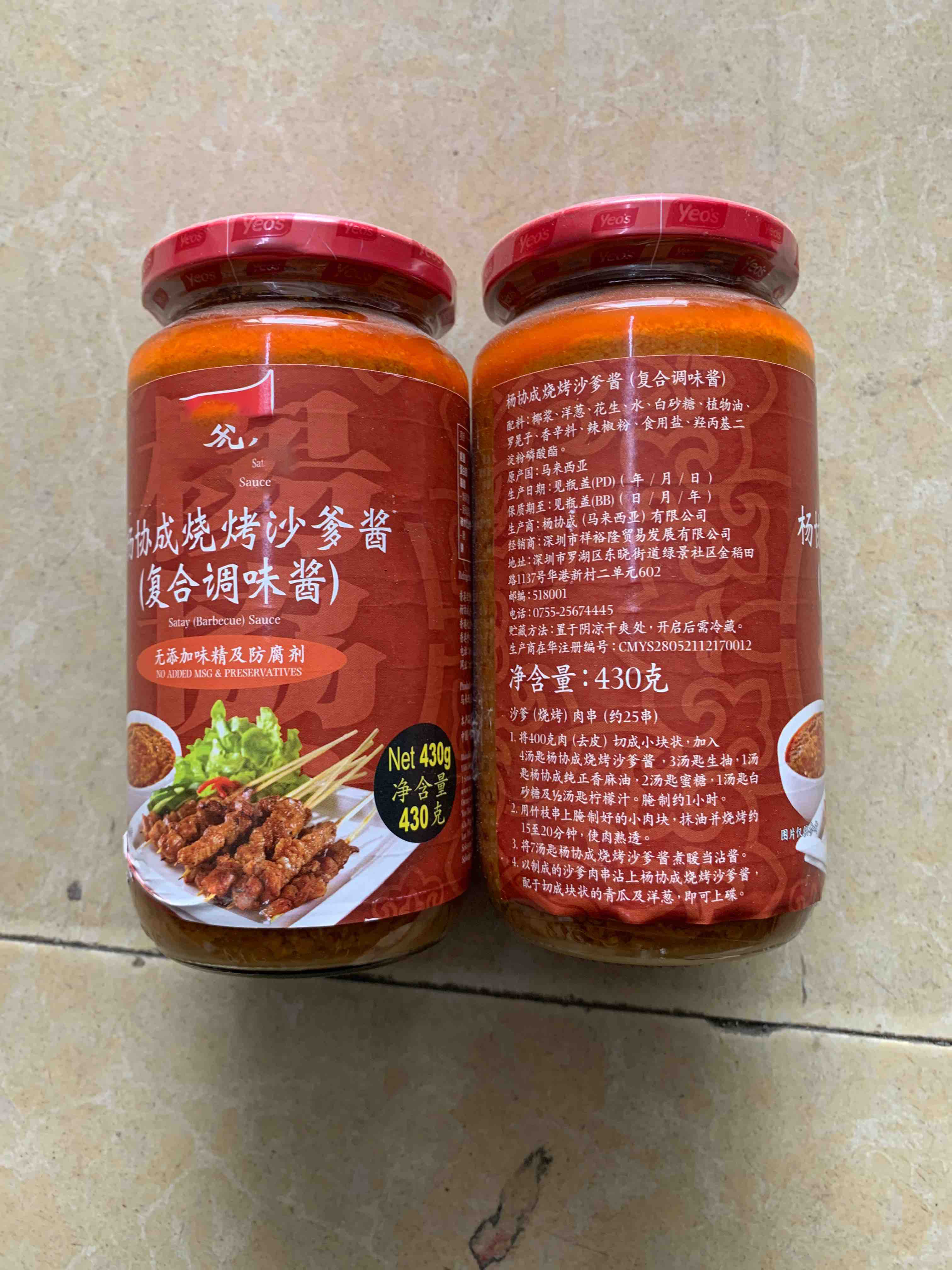
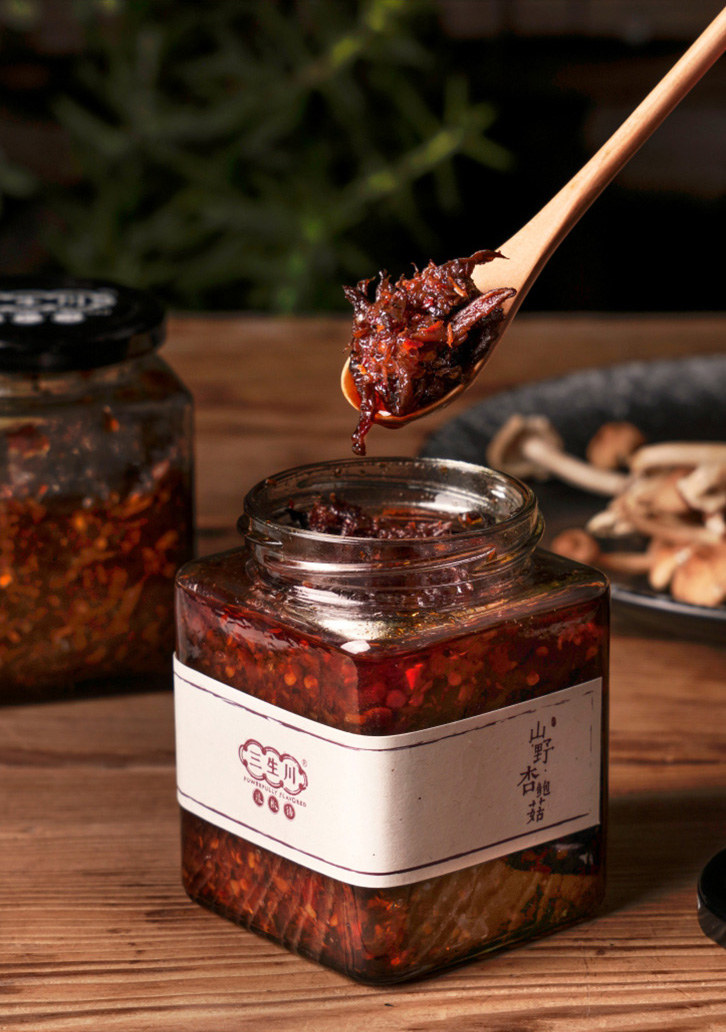
The application of filling machines for rice sauce and mixed noodle sauce not only improves production efficiency, but also ensures the consistency of product quality. With the advancement of technology, future filling machines will develop towards a more intelligent and environmentally friendly direction, creating greater value for food processing enterprises. When introducing equipment, enterprises should fully consider the performance of the equipment and choose models that are suitable for their own production needs to enhance market competitiveness.