
News Center
Contact Us
Guangzhou Greater Machinery Equipment Co., Ltd.
+86 18529379000 Peter Xu (WhatsApp/WeChat )
E-mail:xkpacking@gmail.com
Filling machine display
- Location:
- Home
- »
- News Center
- »
- Filling machine display
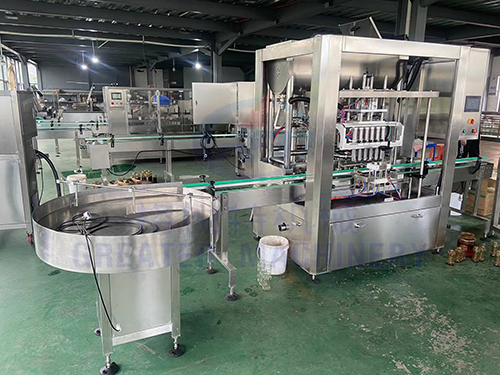
Lobster sauce has a viscous texture and contains particles, which poses a special challenge to the design of filling machines. Filling machines usually use piston or screw filling principles to ensure consistent weight of each bottle of sauce through precise measurement. The core components of the equipment, such as the material tank, conveying pipeline, and filling head, are made of food grade stainless steel material, which is not only corrosion-resistant and easy to clean, but also effectively avoids contamination of the sauce. At the same time, filling machines are often equipped with stirring devices to continuously stir the sauce during the filling process to prevent particle precipitation and ensure that each bottle of product has a uniform texture and consistent taste.
Automation is a significant advantage of this type of filling machine. Modern equipment integrates automatic bottle loading, positioning, filling, capping, and labeling to achieve full process assembly line operation, greatly reducing labor costs and operational errors. By using a programmable logic controller (PLC) and a human-machine interface (touch screen), operators can easily set the filling volume, adjust the production speed, and monitor the operating status. The application of high-precision sensors and feedback systems ensures a stable filling process, even in the face of viscous sauce, and can achieve leak proof bottle mouth cleaning.
Health and safety are the lifeline of food production. The lobster sauce filling machine is designed to fully comply with the hygiene standards of food machinery equipment. The equipment structure is simple and avoids dead corners, making it easy to clean and disinfect. Many models support Clean In Place (CIP) function, which can circulate and sterilize internal pipelines without disassembly, improving hygiene and equipment utilization. Seals in critical areas of contact with sauces are usually made of materials that meet food safety standards, such as silicone, to ensure long-term use without odor or migration.
Prototype display of fully automatic filling machine:
In addition to the core filling function equipment, it also needs to adapt to diverse market demands. Therefore, filling machines are often designed with modular structures that can replace different filling heads and container clamps according to production needs to adapt to various specifications of glass bottles, plastic bottles, or flexible packaging ranging from tens of grams to thousands of grams. This flexibility enables a device to cope with multiple varieties and small batch production modes, helping manufacturers quickly respond to market changes.
From an economic perspective, investing in an efficient lobster sauce filling machine may require some initial costs, but in the long run, the benefits it brings are significant. Automated production has increased production capacity and consistency, reducing material waste. The stable filling accuracy directly ensures that the net content of the product meets regulatory requirements and maintains brand reputation. A faster production pace means being able to meet market demand in a more timely manner, especially during peak sales seasons or when dealing with large orders.
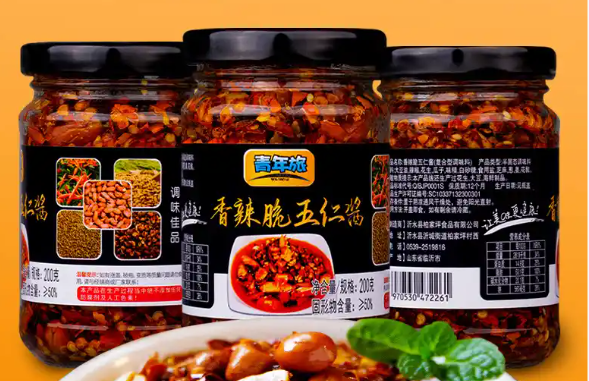
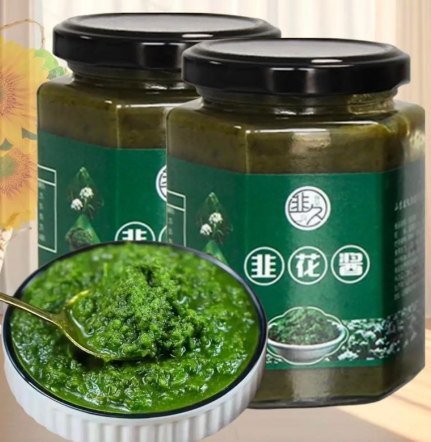
Sample display of fully automatic filling machine:
Looking ahead to the future, with the continuous advancement of food industry technology, lobster sauce filling machines will develop towards a more intelligent, energy-saving, and environmentally friendly direction. For example, remote monitoring and fault diagnosis can be achieved through IoT technology; Optimize the power system to reduce energy consumption; Use materials that are easier to recycle, etc. These advances will further promote the upgrading of the traditional sauce industry, allowing this delicious seafood from the ocean to enter the kitchens of thousands of households in a more modern and reliable way.